Your home’s plumbing system is often one of the most overlooked yet critical components of household maintenance. While faucets, sinks, and toilets are part of daily life, the pipes, valves, and hidden connections behind walls quietly work to deliver water and remove waste. Over time, wear and tear, corrosion, and unexpected issues can compromise the plumbing system, leading to leaks, water damage, or even costly repairs. This is why regular plumbing inspections are essential for maintaining the long-term health of your home.
Plumbing inspections go beyond simply checking for leaks or clogs. They provide a comprehensive evaluation of the entire system, helping homeowners detect minor issues before they escalate into major problems. Much like regular medical checkups for people, plumbing inspections allow for preventive care, extending the lifespan of your system and safeguarding your property. Reach out Plumber Arvada CO for comprehensive assistance.
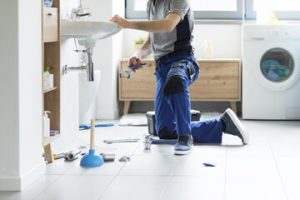
In this guide, we will explore the numerous benefits of routine plumbing inspections, explain what homeowners can expect during an inspection, and provide tips for maximizing the effectiveness of these assessments. By prioritizing regular inspections, homeowners can maintain a safe, efficient, and reliable plumbing system for years to come.
Preventing Costly Repairs
One of the most significant advantages of regular plumbing inspections is the prevention of expensive repairs. Small leaks, corroded pipes, or faulty valves can go unnoticed for months or even years, slowly causing water damage, mold growth, or structural issues. By detecting these problems early, homeowners can address them before they become major concerns.
For example, a minor leak in a hidden pipe may not be noticeable immediately, but over time it can damage walls, flooring, or cabinetry. Regular inspections identify these leaks early, allowing for prompt repairs that save both time and money. Homeowners who schedule inspections proactively often avoid the financial burden of emergency plumbing repairs, which can be significantly higher than routine maintenance costs.
Key Preventive Benefits Include:
- Early Leak Detection: Minor leaks can be fixed before they cause extensive water damage.
- Pipe Corrosion Identification: Aging or corroded pipes can be replaced before bursting or contaminating water.
- Preventive Maintenance Savings: Routine inspections reduce the likelihood of emergency repairs and extend the lifespan of plumbing components.
Preventing damage through regular inspections not only saves money but also minimizes the stress and disruption associated with emergency plumbing situations.
Ensuring Water Quality and Safety
Plumbing inspections also play a critical role in ensuring water quality and safety. Over time, mineral buildup, corrosion, or bacterial growth can compromise the cleanliness of your water supply. Inspecting pipes, fixtures, and water treatment systems helps identify potential contaminants that may affect drinking water or household use.
Inspectors can check for issues such as rust, sediment accumulation, or backflow problems, all of which may pose health risks. Regular inspections allow homeowners to maintain safe and clean water throughout the home, ensuring that water used for drinking, cooking, and bathing meets acceptable quality standards.
Key Water Safety Benefits Include:
- Detection of Contaminants: Identifying potential sources of bacteria, rust, or sediment in pipes.
- Prevention of Backflow: Ensuring that water flows correctly and is not contaminated by external sources.
- Fixture Health Checks: Examining faucets, water heaters, and filtration systems for proper functioning.
Regular inspections provide peace of mind that the water in your home is safe for everyday use and that your plumbing system supports overall household health.
Improving Efficiency and Reducing Waste
Efficiency is another major benefit of routine plumbing inspections. Leaks, slow drains, and outdated fixtures can waste water and increase utility bills without homeowners realizing it. Inspections identify areas where water is being wasted, enabling homeowners to take corrective action.
Modern inspection techniques often include pressure testing and flow monitoring, which allow plumbers to evaluate system performance. By identifying inefficiencies, such as partially blocked pipes or aging fixtures, homeowners can make adjustments or upgrades that save both water and energy.
Efficiency and Conservation Benefits Include:
- Lower Water Bills: Fixing leaks and inefficient fixtures reduces unnecessary water consumption.
- Energy Savings: Properly maintained water heaters and pumps operate more efficiently, reducing energy costs.
- Sustainable Use: Minimizing water waste contributes to environmental conservation and responsible resource management.
Maintaining an efficient plumbing system not only saves money but also supports sustainable practices, making regular inspections an environmentally responsible choice.
Extending the Lifespan of Your Plumbing System
Regular inspections play a vital role in prolonging the lifespan of your plumbing system. Just as routine maintenance extends the life of a vehicle or HVAC system, inspecting and maintaining pipes, valves, and fixtures helps prevent premature deterioration.
Over time, wear and tear, corrosion, or mineral deposits can compromise plumbing components. Inspections allow for timely repairs or replacements, ensuring that your system continues to function optimally. By addressing minor problems early, homeowners can avoid complete system overhauls, which are far more expensive and disruptive than targeted maintenance.
Key Longevity Benefits Include:
- Early Component Replacement: Replacing worn parts before they fail.
- System-wide Health Monitoring: Keeping track of pipe condition, water pressure, and fixture performance.
- Preventing Catastrophic Failures: Reducing the risk of burst pipes, water damage, or sewage backups.
Regular inspections not only protect your home but also provide a long-term return on investment by reducing the need for major plumbing repairs or replacements.
Identifying Hidden Problems
Some plumbing issues remain hidden until they cause serious damage. Common examples include slow leaks behind walls, corroded underground pipes, or worn-out seals in water heaters. Routine inspections often include video camera pipe assessments, moisture detection, and pressure tests that reveal these concealed problems.
By identifying hidden issues early, homeowners can take corrective action before a minor problem turns into a major emergency. This proactive approach minimizes disruption and ensures that plumbing systems remain reliable throughout the home.
Hidden Problem Benefits Include:
- Early Detection of Buried Leaks: Catching leaks in walls, floors, or underground pipes before they cause structural damage.
- Monitoring Hard-to-Access Areas: Inspecting water heaters, sewer lines, and crawl spaces effectively.
- Preventing Mold and Mildew: Addressing hidden moisture before it leads to health hazards or costly remediation.
Professional inspections uncover issues that may go unnoticed during routine daily use, keeping your home safe and your plumbing system in peak condition.
Preparing for Seasonal Challenges
Plumbing systems face unique challenges during seasonal changes, particularly in winter. Cold temperatures can cause pipes to freeze and burst, while summer heat can increase pressure and strain on older plumbing. Regular inspections help homeowners prepare for these seasonal risks by assessing vulnerabilities and recommending preventative measures.
For example, a winter inspection may focus on insulating exposed pipes, checking for drafty areas, and verifying the operation of sump pumps. Summer inspections might include assessing irrigation systems, outdoor faucets, and water pressure. Addressing seasonal concerns through routine inspections ensures that plumbing systems remain functional and protected year-round.
Seasonal Protection Benefits Include:
- Freeze Prevention: Insulating vulnerable pipes and addressing low-temperature risks.
- Water Flow Optimization: Ensuring consistent pressure and flow during periods of high demand.
- Emergency Preparedness: Identifying potential weak points before extreme weather occurs.
Seasonal inspections reduce the likelihood of unexpected emergencies and help homeowners plan for weather-related plumbing challenges.
Supporting Property Value and Home Insurance
Maintaining a healthy plumbing system through regular inspections can also support long-term property value. Homes with well-documented maintenance records, including plumbing inspections, are often more attractive to potential buyers. A healthy plumbing system demonstrates that the property has been cared for and reduces concerns about hidden issues.
Additionally, some insurance providers may offer discounts or incentives to homeowners who invest in preventive plumbing maintenance. Documented inspections can support claims in the event of water damage, proving that proper care was taken to maintain the system.
Property Value and Insurance Benefits Include:
- Increased Home Value: A well-maintained plumbing system is a strong selling point.
- Insurance Support: Proof of regular inspections can streamline claims and demonstrate proactive maintenance.
- Reduced Liability: Minimizing plumbing risks reduces potential damage and liability issues for homeowners.
Investing in regular inspections not only preserves home health but also strengthens long-term financial security.
How Often Should You Schedule Inspections?
While the frequency of plumbing inspections may vary depending on the age and condition of your home, most experts recommend scheduling a comprehensive inspection at least once every 12 to 24 months. Older homes or properties with complex plumbing systems may require more frequent evaluations.
In addition to routine annual inspections, it is advisable to schedule assessments before and after extreme weather seasons, such as winter or summer. This ensures that vulnerabilities are addressed proactively and that the system is prepared to handle seasonal challenges effectively.
Regular plumbing inspections are an essential component of long-term home maintenance. From preventing costly repairs and ensuring water quality to improving efficiency, extending system lifespan, and uncovering hidden problems, the benefits are extensive. Proactive inspections support safety, sustainability, and financial security while minimizing the risk of emergency plumbing issues.
By investing in routine plumbing assessments, homeowners gain peace of mind, knowing that their plumbing system is functioning optimally and their home is protected from water damage and other hazards. Scheduling inspections at least once a year, combined with seasonal preparation, provides a comprehensive strategy for maintaining plumbing health.
Ultimately, regular plumbing inspections are more than a precaution—they are a smart, proactive step in safeguarding your home, enhancing efficiency, and ensuring long-term reliability. Maintaining your plumbing system with professional guidance today prevents headaches, repairs, and costs tomorrow, making it an essential practice for every homeowner committed to the health and safety of their property.