The Benefits of Regular Plumbing Inspections for Long-Term Home Health

Your home’s plumbing system is often one of the most overlooked yet critical components of household maintenance. While faucets, sinks, and toilets are part of daily life, the pipes, valves, and hidden connections behind walls quietly work to deliver water and remove waste. Over time, wear and tear, corrosion, and unexpected issues can compromise the plumbing system, leading to leaks, water damage, or even costly repairs. This is why regular plumbing inspections are essential for maintaining the long-term health of your home.

Plumbing inspections go beyond simply checking for leaks or clogs. They provide a comprehensive evaluation of the entire system, helping homeowners detect minor issues before they escalate into major problems. Much like regular medical checkups for people, plumbing inspections allow for preventive care, extending the lifespan of your system and safeguarding your property. Reach out Plumber Arvada CO for comprehensive assistance.

plumbing

In this guide, we will explore the numerous benefits of routine plumbing inspections, explain what homeowners can expect during an inspection, and provide tips for maximizing the effectiveness of these assessments. By prioritizing regular inspections, homeowners can maintain a safe, efficient, and reliable plumbing system for years to come.

Preventing Costly Repairs

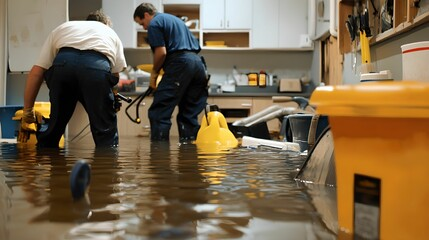
One of the most significant advantages of regular plumbing inspections is the prevention of expensive repairs. Small leaks, corroded pipes, or faulty valves can go unnoticed for months or even years, slowly causing water damage, mold growth, or structural issues. By detecting these problems early, homeowners can address them before they become major concerns.

For example, a minor leak in a hidden pipe may not be noticeable immediately, but over time it can damage walls, flooring, or cabinetry. Regular inspections identify these leaks early, allowing for prompt repairs that save both time and money. Homeowners who schedule inspections proactively often avoid the financial burden of emergency plumbing repairs, which can be significantly higher than routine maintenance costs.

Key Preventive Benefits Include:

  1. Early Leak Detection: Minor leaks can be fixed before they cause extensive water damage.
  2. Pipe Corrosion Identification: Aging or corroded pipes can be replaced before bursting or contaminating water.
  3. Preventive Maintenance Savings: Routine inspections reduce the likelihood of emergency repairs and extend the lifespan of plumbing components.

Preventing damage through regular inspections not only saves money but also minimizes the stress and disruption associated with emergency plumbing situations.

Ensuring Water Quality and Safety

Plumbing inspections also play a critical role in ensuring water quality and safety. Over time, mineral buildup, corrosion, or bacterial growth can compromise the cleanliness of your water supply. Inspecting pipes, fixtures, and water treatment systems helps identify potential contaminants that may affect drinking water or household use.

Inspectors can check for issues such as rust, sediment accumulation, or backflow problems, all of which may pose health risks. Regular inspections allow homeowners to maintain safe and clean water throughout the home, ensuring that water used for drinking, cooking, and bathing meets acceptable quality standards.

Key Water Safety Benefits Include:

  1. Detection of Contaminants: Identifying potential sources of bacteria, rust, or sediment in pipes.
  2. Prevention of Backflow: Ensuring that water flows correctly and is not contaminated by external sources.
  3. Fixture Health Checks: Examining faucets, water heaters, and filtration systems for proper functioning.

Regular inspections provide peace of mind that the water in your home is safe for everyday use and that your plumbing system supports overall household health.

Improving Efficiency and Reducing Waste

Efficiency is another major benefit of routine plumbing inspections. Leaks, slow drains, and outdated fixtures can waste water and increase utility bills without homeowners realizing it. Inspections identify areas where water is being wasted, enabling homeowners to take corrective action.

Modern inspection techniques often include pressure testing and flow monitoring, which allow plumbers to evaluate system performance. By identifying inefficiencies, such as partially blocked pipes or aging fixtures, homeowners can make adjustments or upgrades that save both water and energy.

Efficiency and Conservation Benefits Include:

  1. Lower Water Bills: Fixing leaks and inefficient fixtures reduces unnecessary water consumption.
  2. Energy Savings: Properly maintained water heaters and pumps operate more efficiently, reducing energy costs.
  3. Sustainable Use: Minimizing water waste contributes to environmental conservation and responsible resource management.

Maintaining an efficient plumbing system not only saves money but also supports sustainable practices, making regular inspections an environmentally responsible choice.

Extending the Lifespan of Your Plumbing System

Regular inspections play a vital role in prolonging the lifespan of your plumbing system. Just as routine maintenance extends the life of a vehicle or HVAC system, inspecting and maintaining pipes, valves, and fixtures helps prevent premature deterioration.

Over time, wear and tear, corrosion, or mineral deposits can compromise plumbing components. Inspections allow for timely repairs or replacements, ensuring that your system continues to function optimally. By addressing minor problems early, homeowners can avoid complete system overhauls, which are far more expensive and disruptive than targeted maintenance.

Key Longevity Benefits Include:

  1. Early Component Replacement: Replacing worn parts before they fail.
  2. System-wide Health Monitoring: Keeping track of pipe condition, water pressure, and fixture performance.
  3. Preventing Catastrophic Failures: Reducing the risk of burst pipes, water damage, or sewage backups.

Regular inspections not only protect your home but also provide a long-term return on investment by reducing the need for major plumbing repairs or replacements.

Identifying Hidden Problems

Some plumbing issues remain hidden until they cause serious damage. Common examples include slow leaks behind walls, corroded underground pipes, or worn-out seals in water heaters. Routine inspections often include video camera pipe assessments, moisture detection, and pressure tests that reveal these concealed problems.

By identifying hidden issues early, homeowners can take corrective action before a minor problem turns into a major emergency. This proactive approach minimizes disruption and ensures that plumbing systems remain reliable throughout the home.

Hidden Problem Benefits Include:

  1. Early Detection of Buried Leaks: Catching leaks in walls, floors, or underground pipes before they cause structural damage.
  2. Monitoring Hard-to-Access Areas: Inspecting water heaters, sewer lines, and crawl spaces effectively.
  3. Preventing Mold and Mildew: Addressing hidden moisture before it leads to health hazards or costly remediation.

Professional inspections uncover issues that may go unnoticed during routine daily use, keeping your home safe and your plumbing system in peak condition.

Preparing for Seasonal Challenges

Plumbing systems face unique challenges during seasonal changes, particularly in winter. Cold temperatures can cause pipes to freeze and burst, while summer heat can increase pressure and strain on older plumbing. Regular inspections help homeowners prepare for these seasonal risks by assessing vulnerabilities and recommending preventative measures.

For example, a winter inspection may focus on insulating exposed pipes, checking for drafty areas, and verifying the operation of sump pumps. Summer inspections might include assessing irrigation systems, outdoor faucets, and water pressure. Addressing seasonal concerns through routine inspections ensures that plumbing systems remain functional and protected year-round.

Seasonal Protection Benefits Include:

  1. Freeze Prevention: Insulating vulnerable pipes and addressing low-temperature risks.
  2. Water Flow Optimization: Ensuring consistent pressure and flow during periods of high demand.
  3. Emergency Preparedness: Identifying potential weak points before extreme weather occurs.

Seasonal inspections reduce the likelihood of unexpected emergencies and help homeowners plan for weather-related plumbing challenges.

Supporting Property Value and Home Insurance

Maintaining a healthy plumbing system through regular inspections can also support long-term property value. Homes with well-documented maintenance records, including plumbing inspections, are often more attractive to potential buyers. A healthy plumbing system demonstrates that the property has been cared for and reduces concerns about hidden issues.

Additionally, some insurance providers may offer discounts or incentives to homeowners who invest in preventive plumbing maintenance. Documented inspections can support claims in the event of water damage, proving that proper care was taken to maintain the system.

Property Value and Insurance Benefits Include:

  1. Increased Home Value: A well-maintained plumbing system is a strong selling point.
  2. Insurance Support: Proof of regular inspections can streamline claims and demonstrate proactive maintenance.
  3. Reduced Liability: Minimizing plumbing risks reduces potential damage and liability issues for homeowners.

Investing in regular inspections not only preserves home health but also strengthens long-term financial security.

How Often Should You Schedule Inspections?

While the frequency of plumbing inspections may vary depending on the age and condition of your home, most experts recommend scheduling a comprehensive inspection at least once every 12 to 24 months. Older homes or properties with complex plumbing systems may require more frequent evaluations.

In addition to routine annual inspections, it is advisable to schedule assessments before and after extreme weather seasons, such as winter or summer. This ensures that vulnerabilities are addressed proactively and that the system is prepared to handle seasonal challenges effectively.

Regular plumbing inspections are an essential component of long-term home maintenance. From preventing costly repairs and ensuring water quality to improving efficiency, extending system lifespan, and uncovering hidden problems, the benefits are extensive. Proactive inspections support safety, sustainability, and financial security while minimizing the risk of emergency plumbing issues.

By investing in routine plumbing assessments, homeowners gain peace of mind, knowing that their plumbing system is functioning optimally and their home is protected from water damage and other hazards. Scheduling inspections at least once a year, combined with seasonal preparation, provides a comprehensive strategy for maintaining plumbing health.

Ultimately, regular plumbing inspections are more than a precaution—they are a smart, proactive step in safeguarding your home, enhancing efficiency, and ensuring long-term reliability. Maintaining your plumbing system with professional guidance today prevents headaches, repairs, and costs tomorrow, making it an essential practice for every homeowner committed to the health and safety of their property.

How to Budget for Bathroom Remodeling

A bathroom remodel from J&R Construction focus on style, but it should also solve real problems. A corroded drainpipe or 15-amp wiring strained by high-power hair dryers must be brought up to code.

Renovations are less expensive than a full remodel and refresh style without changing structure. Upgraded materials add value and reduce maintenance demands. Accessibility and smart features increase usability.

Cost

Bathroom Remodeling

The cost of bathroom remodeling can vary depending on the scope of work and your chosen fixtures and materials. It’s also important to factor in the price of labor, which can significantly increase the overall renovation costs. Labor costs can be especially high if you’re planning on changing your bathroom layout or moving plumbing and electrical lines. The square footage of your bathroom also impacts the price, as more space means more surface area that needs to be refurnished or reconstructed.

Choosing more budget-friendly materials can help to reduce your costs, but it’s important to remember that you’ll need professional installation services. For example, toilets come in a variety of styles and materials, from basic models to luxury options, but each type has its own installation cost. Alcove tubs are typically cheaper than freestanding tubs, while acrylic and fiberglass are less expensive than cast iron or marble.

If you’re looking to save money on your remodel, consider reducing your fixture selection and opting for more affordable counter materials like laminate or quartz. You may also be able to take advantage of efficiency incentives by installing low-flow toilets and LED lights. These cost-saving features can add up to significant savings in water and energy bills over time.

You should also budget for permit fees, if necessary. The cost of permits can vary by city, so check with your local building department to find out how much you should expect to pay. Similarly, you may need to hire licensed professionals for the construction and demolition aspects of your project. This includes a designer, building permit expediter, demolition contractor, carpenter, plumber, tile setter, electrician, and painter.

A full-service design-build firm offers a seamless collaboration between the design and construction teams, which helps to ensure efficient project completion and adhering to timelines. They can also help you to avoid costly mistakes, saving you both time and money in the long run. If you’re ready to get started with your NYC bathroom remodel, contact Vista Home Improvement today for a customized remodeling estimate tailored to your specific needs. We can create a beautiful, functional bathroom that’s sure to enhance your daily routine and boost your home’s value.

Design

When it comes to the design of a bathroom remodel, there are many options to consider. For example, you can choose a walk-in shower that will give you more space to move around in and make the room feel bigger. Another option is to install a glass enclosure, which can be a focal point and add style to the room. You can also opt for a free-standing tub, which offers both luxury and comfort. The materials you choose will affect both the aesthetic and durability of your new bathroom, so be sure to think carefully about the type of material you want to use.

The next step in the design process is to choose your fixtures and finishes. It is important to choose products that fit your budget and suit your personal style. It is also a good idea to incorporate energy-efficient features into your project, such as LED lighting, low-flow toilets, and water-saving faucets and showerheads. Finally, you should plan for any electrical work that may be necessary, such as adding outlets or relocating existing ones.

Once you have finished the design process, it’s time to start the construction phase of your remodel. During this stage, it is crucial to keep up with the schedule and budget to ensure that your remodel stays on track. It is also important to hire a contractor with experience in residential remodeling to avoid costly mistakes.

A full remodel is a more involved project that can include expanding the square footage of your bathroom, moving walls, and installing new windows. This type of remodel is typically more expensive than a partial or cosmetic remodel, but it will add value to your home and create a functional, comfortable bathroom that you can enjoy for years to come.

The final phase of a bathroom remodel is the installation of your new bathroom furniture and accessories. This includes everything from toilet paper holders and soap dispensers to wastebaskets and towel bars. Choose bath accessories that match the style of your bath design, and don’t forget to add some personality with framed artwork or a vase of fresh flowers.

Materials

Whether you’re remodeling a guest bathroom or your own master suite, the materials you choose impact function and aesthetics. The best bath materials withstand the wet conditions and demanding daily routines while reflecting your personal style.

Durable tile and flooring resist moisture, mold, mildew and stains. Ceramic and porcelain tiles come in an array of designs, colors and finishes to suit your design vision. Luxury vinyl plank (LVP) mimics the look of wood without the risk of warping from moisture. Water-resistant quartz and solid surface countertops withstand splashes, makeup spills, hot styling tools nearby, and more. Textured finishes or anti-slip coatings help reduce slipping and injuries.

Lighting sets the ambiance of your space, while also making tasks easier. Incorporate recessed cans with dimmer switches to create the desired mood and brighten dark corners. Use a mix of overhead ambient and task lighting, including wall sconces, to evenly illuminate your space.

Ample ventilation keeps surfaces from warping, cracking or deteriorating over time. Install an exhaust fan rated for your space and consider adding additional windows or skylights to allow fresh air in. Maximize natural light to keep your bathroom feeling open and inviting.

Decor items can tie your entire space together, creating a cohesive look for your remodel. Matching or coordinating soap dispensers, toothbrush holders and wastebaskets keep essentials neatly organized and add to the overall look. For a more organic vibe, incorporate plants that thrive in humid spaces.

The bathroom is a challenging space for many materials, so you need to choose durable and water-resistant construction materials. Silestone and Dekton are durable, high-performing materials that are suitable for demanding environments like bathrooms. They can withstand the shock and sudden temperature changes that occur in bathrooms, as well as prevent water absorption and minimize chemical exposure. Plus, they’re available in a variety of colors and patterns that reflect current trends in interior design. You can even choose a finish that imitates the appearance of marble, without the maintenance.

Installation

While bathroom remodeling costs vary greatly, understanding what’s involved can help you budget for the project. Most remodels involve demolition, plumbing, and electrical work. A full remodel goes down to the studs and creates an entirely new space, while a replacement remodel keeps the existing structure but replaces elements like vanities, toilets, showers, tubs, and lighting fixtures. The replacement approach is less labor intensive but still requires skilled workers to install the new components.

Choosing the right materials is crucial, and often influences cost. Premium finishes and durable materials are more expensive upfront, but they stand the test of time and reduce maintenance needs over the long-term. It’s important to balance these initial costs with your desired functionality and aesthetic.

Most major renovations require permits and compliance with local codes for structural and plumbing changes. Hiring professional technicians ensures that your new bathroom is safe and up to code. Before the start of the remodel, make sure that your space is ready for work by removing breakables and creating a clear path to your remodeling team’s workspace. Additionally, prepare the area by clearing out trash and setting aside an easy place for debris to be disposed of.

Once the demolition is complete, contractors will begin to frame and build the walls of your new bathroom. This step is vital as it sets the foundation for your future remodel. A well-constructed wall will accommodate the new plumbing and electrical systems, ensuring that they meet safety and efficiency requirements for your home.

Plumbing and electrical work is one of the most labor-intensive parts of a bathroom remodel. This phase involves relocating pipes and wiring, creating access points to existing fixtures, and installing new fixtures and appliances. It’s important to plan carefully and select the right professionals for this part of your remodel, as mistakes can be costly.

The installation process can take a few weeks, depending on your project details and the timing of inspections. However, there are options that can significantly shorten the timeline. For example, Bath Fitter’s custom-fit PermaFit bathtubs and showers can be installed in as little as one day, allowing you to enjoy your new bathroom faster than ever.