Beneath the surface of countless residential properties lies a system that quietly performs one of the most important functions in modern living. Hidden from view and often overlooked until problems arise, septic systems manage wastewater safely and efficiently, allowing households to maintain sanitation and comfort every day. While most people rarely think about what happens after water disappears down a drain, a remarkable biological and mechanical process begins underground. At the heart of this process is septic pumping, a critical maintenance service that preserves system performance and protects both property and environmental health.
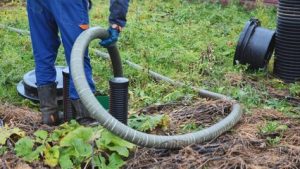
The phrase “whispers beneath the ground” captures the silent nature of septic systems. These underground systems work continuously, relying on natural decomposition, careful engineering, and periodic maintenance to operate effectively. Among the most important maintenance procedures is septic pumping, which removes accumulated waste before it can disrupt the delicate balance within the system. Understanding the science behind septic pumping and its role in system renewal reveals why this service remains essential for long-term wastewater management. Visit Website to see more.
Understanding How Septic Systems Work
To appreciate the importance of septic pumping, it is necessary to understand the basic operation of a septic system. Unlike municipal sewer systems that transport wastewater to centralized treatment facilities, septic systems process wastewater on-site through a combination of physical separation and biological decomposition.
When wastewater leaves a home, it enters a septic tank where solids, liquids, and floating materials separate naturally. Heavy solids settle to the bottom, forming a layer known as sludge. Oils, grease, and lighter materials rise to the top, creating a scum layer. Between these layers is partially clarified liquid wastewater, often referred to as effluent.
The effluent eventually flows into a drain field where it undergoes additional filtration and treatment within the soil. Beneficial bacteria play a critical role throughout this process by breaking down organic matter and reducing waste accumulation.
Although bacterial activity helps reduce solid waste, it cannot eliminate all of it. Over time, sludge and scum continue to build up inside the tank, making periodic pumping necessary.
The Hidden Science Inside a Septic Tank
A septic tank is far more than a simple storage container. It functions as a biological treatment chamber where naturally occurring microorganisms break down organic material. This microbial ecosystem is essential to the effectiveness of the entire system.
Within the tank, anaerobic bacteria thrive in oxygen-poor conditions. These organisms digest portions of the organic waste entering the tank, reducing solid volume and slowing accumulation rates. While this process is highly effective, it does not completely eliminate waste.
Over months and years, residual solids gradually collect at the bottom and top of the tank. If these layers become too thick, they reduce the tank’s capacity and interfere with proper wastewater separation.
The science behind septic pumping revolves around maintaining this balance. By removing accumulated solids at appropriate intervals, pumping preserves the tank’s ability to perform its treatment functions efficiently.
What Is Septic Pumping?
Septic pumping is the process of removing accumulated sludge, scum, and wastewater from a septic tank using specialized vacuum equipment. The goal is not to clean the tank completely but to eliminate excess buildup that could compromise system performance.
During pumping, a service technician accesses the tank through designated openings and uses powerful equipment to extract waste materials. The contents are then transported for proper treatment and disposal according to regulatory requirements.
This process restores available tank capacity and allows the biological treatment cycle to continue functioning effectively. Without periodic pumping, solids can eventually overflow into the drain field, causing extensive and expensive damage.
Why Septic Pumping Matters
Many property owners underestimate the importance of routine septic maintenance because the system operates underground and often shows no visible signs of trouble until problems become severe. However, septic pumping is one of the most effective ways to prevent costly repairs and system failures.
When a tank becomes overloaded with sludge and scum, wastewater can no longer separate properly. Solids may migrate into the drain field, clogging soil pores and disrupting wastewater filtration.
Regular pumping helps:
- Prevent drain field damage.
- Reduce the risk of sewage backups.
- Improve overall system efficiency.
- Extend septic system lifespan.
- Protect groundwater quality.
- Reduce long-term repair costs.
These benefits make septic pumping a critical investment in both property protection and environmental stewardship.
Signs That a Septic Tank Needs Pumping
Although septic pumping schedules vary based on system size and household usage, certain warning signs often indicate that pumping may be necessary.
Common indicators include:
- Slow-draining sinks, tubs, and showers.
- Unpleasant odors near drains or outdoor system components.
- Gurgling sounds in plumbing fixtures.
- Standing water near the drain field.
- Sewage backups within the property.
- Lush, unusually green grass above septic components.
These symptoms often suggest that the tank is approaching capacity or that wastewater flow is being restricted.
Addressing these signs promptly can help prevent more serious complications and preserve system functionality.
Factors That Influence Pumping Frequency
There is no universal pumping schedule that applies to every septic system. Several factors influence how quickly solids accumulate and how often pumping is required.
The most significant factors include:
- Household size.
- Daily water usage.
- Septic tank capacity.
- Waste composition.
- Use of garbage disposals.
- Maintenance practices.
Larger households typically generate more wastewater and solids, leading to faster accumulation. Similarly, excessive water usage can increase system stress and reduce treatment efficiency.
Understanding these variables helps property owners establish maintenance schedules that align with their specific needs.
The Connection Between Septic Pumping and Environmental Protection
Septic pumping benefits more than individual properties. It also plays an important role in protecting the surrounding environment.
When septic systems function properly, wastewater receives effective treatment before entering the soil. However, neglected systems can release untreated contaminants into groundwater and nearby ecosystems.
Excessive sludge accumulation increases the likelihood of system failure, which can result in nutrient pollution, bacterial contamination, and water quality concerns.
Routine pumping helps maintain treatment efficiency and supports responsible wastewater management. By preventing system overloads, property owners contribute to broader environmental protection efforts while safeguarding local water resources.
Extending System Lifespan Through Preventative Maintenance
Septic systems represent a significant infrastructure investment. Replacing a failed system can be expensive and disruptive, often requiring excavation, reconstruction, and extensive permitting processes.
Routine septic pumping is one of the most effective forms of preventative maintenance available. By removing accumulated waste before it causes damage, pumping reduces stress on system components and helps preserve long-term functionality.
Preventative maintenance benefits include:
- Reduced likelihood of major repairs.
- Improved treatment performance.
- Longer drain field lifespan.
- Lower overall maintenance costs.
- Increased system reliability.
A well-maintained septic system can continue operating effectively for decades, making routine pumping a valuable long-term strategy.
Common Misconceptions About Septic Pumping
Despite its importance, several misconceptions persist regarding septic maintenance.
One common myth is that additives can eliminate the need for pumping. While certain products claim to enhance bacterial activity, they cannot remove accumulated sludge from the tank. Pumping remains necessary regardless of additive use.
Another misconception is that a septic tank only requires attention when problems occur. In reality, waiting for visible symptoms often means the system has already experienced significant stress.
Proactive maintenance is far more effective and economical than responding to emergencies after damage has occurred.
The Renewal Aspect of Septic Pumping
The concept of renewal is central to understanding the value of septic pumping. While the service involves removing waste, its ultimate purpose is to restore system balance and functionality.
Each pumping cycle effectively resets the tank’s capacity, allowing biological processes to continue operating efficiently. By removing excess accumulation, pumping renews the system’s ability to separate wastewater, support bacterial activity, and protect the drain field.
This renewal process ensures that the septic system remains capable of performing its essential role within the property infrastructure.
Far from being a simple maintenance task, septic pumping represents an investment in long-term performance, reliability, and sustainability.
Modern Advances in Septic Maintenance
Advancements in inspection technology and maintenance practices have improved the effectiveness of septic system care. Modern inspections often utilize specialized equipment to evaluate tank condition, monitor sludge levels, and identify potential issues before they become serious.
These advancements allow for more precise maintenance planning and help property owners make informed decisions about system care.
As awareness of environmental responsibility grows, septic maintenance practices continue evolving to emphasize efficiency, sustainability, and proactive management.
Conclusion
The silent operation of a septic system often conceals the remarkable science occurring beneath the ground. Through a combination of biological treatment, wastewater separation, and soil filtration, these systems perform essential functions that support modern living. However, their effectiveness depends on regular maintenance, with septic pumping serving as one of the most critical components of long-term care.
By removing accumulated sludge and scum, septic pumping preserves system capacity, protects drain fields, prevents costly failures, and supports environmental health. It is both a scientific necessity and a practical investment in property protection.
The whispers beneath the ground may go unnoticed on a daily basis, but they tell a story of continuous activity, careful balance, and ongoing renewal. Through routine septic pumping, property owners ensure that this hidden system continues to operate reliably, efficiently, and sustainably for years to come.