Pest problems often begin long before homeowners notice insects or rodents moving through their living spaces. Ants can establish colonies near foundations, rodents may enter attics or wall cavities, and cockroaches can remain hidden behind appliances or cabinets. Regular pest inspections from Pest Control Stuart make it easier to identify warning signs before a small problem develops into a larger infestation. However, the right inspection frequency depends on factors such as the home’s location, age, previous pest activity, surrounding environment, and season. Understanding how often you should inspect your home for pests can help you create a practical prevention schedule and know when professional pest control may be necessary.
How Often Should a Home Be Inspected for Pests?
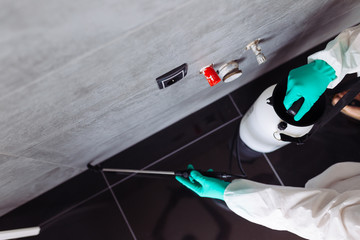
As a general preventive practice, homeowners can perform basic pest checks every few months and remain alert for warning signs throughout the year. These routine inspections do not need to be complicated. Checking kitchens, bathrooms, storage areas, garages, attics, basements, and exterior entry points can reveal signs such as droppings, insect activity, damaged materials, or nests.
The ideal frequency varies considerably between properties. A newer home with no history of pest problems may require less intensive monitoring than an older property that has experienced repeated infestations. Homes in areas with heavy insect or rodent activity may also benefit from more frequent checks. Rather than relying on a single schedule, inspection frequency should reflect the property’s actual risk.
Should You Check for Pests Every Season?
Seasonal inspections can be particularly useful because pest behavior changes throughout the year. Warmer temperatures can increase activity among ants, mosquitoes, wasps, and many other insects. As temperatures fall, rodents and some insects may begin looking for protected indoor environments.
Checking the property when seasons change provides an opportunity to identify new vulnerabilities. Spring may reveal moisture problems or exterior damage that developed during winter, while fall is a useful time to look for openings rodents could use when seeking shelter. Seasonal inspections can therefore become part of routine home maintenance rather than something homeowners only consider after discovering an infestation.
Which Areas Should You Inspect Most Frequently?
Kitchens deserve regular attention because they provide food, water, and warmth for many common household pests. Homeowners should inspect beneath sinks, inside lower cabinets, around garbage areas, behind appliances, and near stored food. Crumbs, grease, plumbing leaks, and poorly sealed food containers can all support pest activity.
Bathrooms, laundry rooms, and utility areas should also be monitored because moisture attracts many pests. Basements, crawl spaces, garages, and attics can provide quiet nesting locations that receive less daily attention. Exterior areas around doors, windows, foundations, vents, and utility penetrations should be checked for possible entry points. Concentrating on these vulnerable areas can make routine inspections more effective.
What Signs of Pests Should You Look For?
Seeing live pests is an obvious warning sign, but it is not the only indication of an infestation. Rodent droppings, gnaw marks, nesting materials, damaged food packages, shed insect skins, unusual odors, and scratching noises can all indicate hidden activity. Small piles of debris or unexplained damage around wood and building materials may also deserve investigation.
Homeowners should pay attention to patterns rather than isolated observations alone. A single insect entering through an open door may not indicate an established infestation, while repeated sightings in the same location can be more concerning. Finding pests during daytime hours when they are normally less active may also warrant closer attention for certain species. Recording where and when activity occurs can help with professional diagnosis if service becomes necessary.
Should Older Homes Be Inspected More Often?
Older homes can have more potential pest entry points simply because building materials and components change over time. Gaps may develop around foundations, doors, windows, siding, rooflines, and utility penetrations. Aging plumbing can also create moisture conditions that attract insects. Regular inspections help homeowners identify these vulnerabilities as part of general property maintenance.
However, the age of the building alone does not determine pest risk. A well-maintained older home may have fewer problems than a newer property with standing water, poorly sealed openings, or significant landscaping against the structure. Condition and maintenance matter more than age by itself. Homes with known structural gaps or recurring moisture problems may benefit from more frequent monitoring.
How Does a Previous Infestation Affect Inspection Frequency?
A history of pest problems is a good reason to increase monitoring. If rodents previously entered through a garage or ants repeatedly appeared near the kitchen, those areas should receive extra attention even after treatment. Pest populations can return when entry points reopen or environmental conditions become favorable again.
Follow-up inspections are particularly useful after professional treatment. Homeowners can monitor whether activity is decreasing and watch for new signs around previously affected locations. Pest control professionals may also recommend specific follow-up intervals based on the pest and treatment method. Continuing to monitor after treatment helps confirm that the problem remains under control.
When Should You Inspect the Exterior of Your Home?
Exterior inspections should be performed periodically and whenever significant property changes occur. Homeowners can examine the foundation, exterior doors, windows, vents, roofline, and utility penetrations for gaps or damage. Even small openings may allow certain insects or rodents to enter.
Landscaping should also be included in an exterior pest inspection. Dense vegetation against exterior walls can create sheltered pest environments, while standing water may encourage mosquito activity. Firewood, cardboard, unused equipment, and other materials stored directly beside the house can provide additional hiding places. Maintaining the area immediately surrounding the home can reduce opportunities for pests to approach and enter.
Should You Inspect After Severe Weather?
Yes, checking the property after significant weather events can be useful. Heavy rain may create standing water, moisture intrusion, or changes in pest activity. Strong winds and storms can damage screens, vents, roofing materials, and other exterior components that previously prevented pests from entering.
Flooding can also displace insects and rodents from their normal habitats, potentially encouraging them to seek shelter elsewhere. After severe weather, homeowners should inspect vulnerable exterior areas and look for new moisture problems indoors. Correcting storm-related damage promptly can prevent a temporary vulnerability from becoming a recurring pest entry point.
How Often Do Commercial Pest Inspections Differ From Home Inspections?
Although residential and commercial pest management share many principles, commercial properties may require more frequent monitoring. Restaurants, food-processing facilities, warehouses, apartment buildings, healthcare environments, and other businesses can face different pest pressures because of their size, occupancy, food availability, and operating requirements.
Homeowners generally do not need the same monitoring schedule as a high-risk commercial facility. However, the underlying principle remains the same: the greater the risk, the more frequently the property should be inspected. Inspection schedules should therefore be based on environmental conditions and pest history rather than following an arbitrary timetable.
When Should You Schedule a Professional Pest Inspection?
A professional inspection may be appropriate when homeowners repeatedly see pests, discover unexplained droppings, hear movement inside walls, or notice property damage that could be pest-related. Professional assistance can also be useful when the type or source of the infestation is unclear. Some pests remain hidden in areas that are difficult for homeowners to inspect thoroughly.
You do not necessarily need to wait for a serious infestation before contacting a pest control company. Properties with recurring pest problems or particularly favorable pest conditions may benefit from preventive professional inspections. A technician can identify entry points and contributing conditions that homeowners may overlook. The appropriate schedule can then be based on what is actually found at the property.
How Can You Prevent Pest Problems Between Inspections?
Regular inspections are most effective when combined with preventive maintenance. Food should be stored securely, crumbs and spills should be cleaned promptly, and garbage should be managed properly. Plumbing leaks and standing water should be addressed because moisture can attract a variety of pests.
Homeowners should also repair damaged screens and weatherstripping and address appropriate gaps around doors, windows, foundations, and utility penetrations. Clutter in garages, attics, and basements should be minimized so signs of pest activity are easier to identify. Outdoor vegetation and stored materials should be managed so they do not create unnecessary shelter directly against the building. These measures can reduce pest risks between scheduled inspections.
Final Thoughts
How often you should inspect your home for pests depends on the property’s condition, location, pest history, season, and surrounding environment. Basic homeowner inspections every few months, combined with ongoing awareness and seasonal checks, can provide a practical starting point for many properties. Homes with previous infestations, moisture problems, structural openings, or heavy local pest pressure may need more frequent attention. Kitchens, bathrooms, basements, garages, attics, and exterior entry points deserve particular attention because they commonly provide pests with food, water, shelter, or access. By combining regular inspections with sanitation, moisture control, exterior maintenance, and professional pest control when necessary, homeowners can identify problems earlier and reduce the likelihood of established infestations.