A pest-free home is essential for maintaining a clean, comfortable, and healthy living environment. Unfortunately, insects and rodents often find their way into residential properties in search of food, water, and shelter. Once they settle inside, they can reproduce quickly, damage property, contaminate food, and create health concerns for homeowners and their families. While store-bought products may offer temporary relief, they often fail to address the underlying causes of an infestation. Understanding what residential pest control is and how it works helps homeowners protect their property through a combination of prevention, inspection, treatment, and ongoing maintenance.
What Is Residential Pest Control?
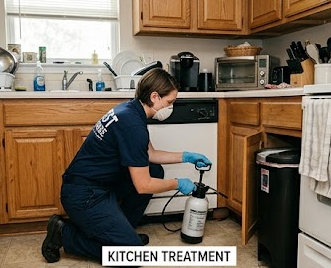
Residential Ben’s Pest Control is the process of preventing, managing, and eliminating pests that invade homes. It involves much more than simply applying pesticides because successful pest management focuses on identifying the source of the problem and creating long-term solutions. A complete residential pest control program often includes detailed inspections, customized treatment plans, preventative measures, and routine monitoring to reduce the likelihood of future infestations. Every home presents different challenges depending on its location, age, and surrounding environment. Customized solutions provide more effective long-term protection.
The goal of residential pest control is to protect both the home’s structure and the health of the people living inside it. Common household pests such as ants, cockroaches, spiders, termites, rodents, mosquitoes, fleas, wasps, and silverfish each require different treatment methods because their habits and life cycles vary considerably. Understanding the specific pest involved allows technicians to recommend the most appropriate treatment strategy. Accurate identification is one of the first steps toward successful pest management. A targeted approach delivers better results than general treatments.
How Does Residential Pest Control Work?
Residential pest control typically begins with a thorough inspection of the property. The inspection includes both the interior and exterior of the home to identify active pest activity, nesting sites, entry points, moisture problems, food sources, and structural conditions that encourage infestations. Areas such as kitchens, bathrooms, basements, crawl spaces, attics, garages, and landscaping receive careful attention because pests often hide in these locations. A detailed inspection provides valuable information before treatment begins. Proper evaluation allows for a more effective pest management plan.
After the inspection, a customized treatment strategy is developed based on the type of pest and the severity of the infestation. Depending on the situation, treatment may include targeted applications, bait stations, traps, exclusion methods, or preventative barriers around the home’s exterior. Rather than relying on a single treatment, residential pest control combines multiple techniques that work together to reduce current pest activity while preventing future problems. Integrated treatment provides stronger long-term protection. Ongoing monitoring helps maintain successful results.
What Pests Are Commonly Treated in Homes?
Residential properties can attract a wide variety of pests throughout the year. Ants often invade kitchens and pantries in search of food, while cockroaches prefer warm, moist environments where they can remain hidden during the day. Rodents may enter attics, crawl spaces, or wall cavities to build nests, especially during colder weather. Spiders, silverfish, fleas, mosquitoes, termites, and wasps are also frequently encountered depending on the property’s location and environmental conditions. Every pest requires a different treatment strategy for effective control.
Seasonal weather patterns also influence which pests become active. During spring and summer, homeowners may notice increased activity from ants, mosquitoes, flies, and stinging insects around doors, windows, and outdoor living spaces. In autumn and winter, rodents often move indoors seeking warmth and shelter. Regular inspections allow homeowners to stay ahead of these seasonal changes before infestations become established. Understanding seasonal pest behavior supports better prevention. Routine maintenance helps reduce year-round pest pressure.
Why Is Prevention an Important Part of Residential Pest Control?
Preventing pests from entering the home is often more effective than eliminating a large infestation after it has developed. Residential pest control programs emphasize reducing the conditions that attract insects and rodents before they become established. This may include sealing cracks around doors, windows, utility lines, and foundations while correcting moisture problems that encourage pest activity. Preventative maintenance strengthens the home’s natural defenses. Reducing access points limits future infestations.
Homeowners also contribute significantly to prevention through regular housekeeping and property maintenance. Proper food storage, prompt garbage disposal, eliminating standing water, trimming vegetation away from the home’s exterior, and repairing plumbing leaks all help reduce the resources that pests need to survive. When these habits are combined with professional inspections and treatments, homeowners often experience fewer recurring pest problems. Prevention remains one of the most cost-effective pest management strategies. Small maintenance efforts often produce significant long-term benefits.
How Often Should Residential Pest Control Be Performed?
The ideal pest control schedule depends on several factors, including the home’s location, previous pest activity, surrounding landscape, and local climate. Many homeowners benefit from quarterly inspections because regular visits allow technicians to monitor changing conditions throughout the year. Seasonal treatments help address pest activity before populations become established inside the home. Routine service provides continuous protection against many common household pests. Consistency improves long-term results.
Some homes may require more frequent monitoring depending on their specific circumstances. Properties located near wooded areas, farmland, lakes, or heavily landscaped neighborhoods often experience greater pest pressure than homes in more urban environments. Homes with previous termite, rodent, or recurring insect infestations may also benefit from ongoing inspections until activity is fully controlled. A customized maintenance schedule provides the most appropriate level of protection. Every property has different pest management needs.
What Are the Benefits of Professional Residential Pest Control?
Professional residential pest control offers advantages that extend beyond simply eliminating visible pests. Experienced technicians understand pest behavior, breeding cycles, nesting habits, and seasonal activity patterns that influence treatment success. Their inspections identify hidden infestations and structural conditions that homeowners may not notice during everyday cleaning. Addressing these issues early helps prevent larger infestations from developing. Professional expertise improves both accuracy and effectiveness.
Routine pest control also helps protect the home’s value by reducing the risk of damage caused by termites, rodents, and other destructive pests. Maintaining a pest-free environment supports healthier indoor living conditions while reducing contamination from droppings, nesting materials, and bacteria. Preventative maintenance often reduces the need for costly emergency treatments and major property repairs. Investing in professional pest management provides long-term peace of mind. Consistent protection benefits both the home and the family.
How Can Homeowners Choose the Right Residential Pest Control Program?
Choosing the right residential pest control program begins with understanding the home’s specific pest concerns. A thorough inspection should identify current pest activity, potential entry points, environmental risk factors, and recommendations for ongoing prevention. Homeowners should look for treatment plans that focus on long-term pest management rather than temporary solutions. A customized approach generally provides better results than a one-size-fits-all program. Careful planning improves treatment success.
It is also important to evaluate the overall value of a pest control program rather than focusing only on the initial price. Regular inspections, preventative treatments, monitoring, follow-up visits, and practical homeowner recommendations all contribute to a comprehensive pest management strategy. Working together with a qualified pest control professional allows homeowners to maintain a cleaner, healthier, and more comfortable living environment throughout the year. Long-term prevention remains the foundation of successful residential pest control.
Final Thoughts
Residential pest control is a proactive approach to protecting homes from insects, rodents, and other unwanted pests through inspection, prevention, targeted treatment, and ongoing maintenance. Rather than simply eliminating pests after they appear, effective pest management addresses the conditions that allow infestations to develop in the first place. By combining professional expertise with regular home maintenance and preventative practices, homeowners can reduce the risk of recurring infestations while protecting their property’s structure, value, and indoor environment. A consistent residential pest control program provides lasting peace of mind and helps keep homes safe, clean, and comfortable throughout the year.