What Is Residential Pest Control and How Does It Work?

A pest-free home is essential for maintaining a clean, comfortable, and healthy living environment. Unfortunately, insects and rodents often find their way into residential properties in search of food, water, and shelter. Once they settle inside, they can reproduce quickly, damage property, contaminate food, and create health concerns for homeowners and their families. While store-bought products may offer temporary relief, they often fail to address the underlying causes of an infestation. Understanding what residential pest control is and how it works helps homeowners protect their property through a combination of prevention, inspection, treatment, and ongoing maintenance.

What Is Residential Pest Control?
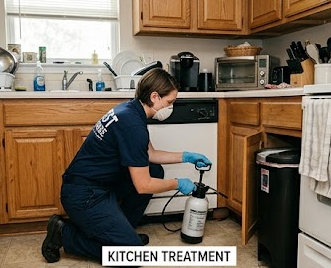
pest control

Residential Ben’s Pest Control is the process of preventing, managing, and eliminating pests that invade homes. It involves much more than simply applying pesticides because successful pest management focuses on identifying the source of the problem and creating long-term solutions. A complete residential pest control program often includes detailed inspections, customized treatment plans, preventative measures, and routine monitoring to reduce the likelihood of future infestations. Every home presents different challenges depending on its location, age, and surrounding environment. Customized solutions provide more effective long-term protection.

The goal of residential pest control is to protect both the home’s structure and the health of the people living inside it. Common household pests such as ants, cockroaches, spiders, termites, rodents, mosquitoes, fleas, wasps, and silverfish each require different treatment methods because their habits and life cycles vary considerably. Understanding the specific pest involved allows technicians to recommend the most appropriate treatment strategy. Accurate identification is one of the first steps toward successful pest management. A targeted approach delivers better results than general treatments.

How Does Residential Pest Control Work?

Residential pest control typically begins with a thorough inspection of the property. The inspection includes both the interior and exterior of the home to identify active pest activity, nesting sites, entry points, moisture problems, food sources, and structural conditions that encourage infestations. Areas such as kitchens, bathrooms, basements, crawl spaces, attics, garages, and landscaping receive careful attention because pests often hide in these locations. A detailed inspection provides valuable information before treatment begins. Proper evaluation allows for a more effective pest management plan.

After the inspection, a customized treatment strategy is developed based on the type of pest and the severity of the infestation. Depending on the situation, treatment may include targeted applications, bait stations, traps, exclusion methods, or preventative barriers around the home’s exterior. Rather than relying on a single treatment, residential pest control combines multiple techniques that work together to reduce current pest activity while preventing future problems. Integrated treatment provides stronger long-term protection. Ongoing monitoring helps maintain successful results.

What Pests Are Commonly Treated in Homes?

Residential properties can attract a wide variety of pests throughout the year. Ants often invade kitchens and pantries in search of food, while cockroaches prefer warm, moist environments where they can remain hidden during the day. Rodents may enter attics, crawl spaces, or wall cavities to build nests, especially during colder weather. Spiders, silverfish, fleas, mosquitoes, termites, and wasps are also frequently encountered depending on the property’s location and environmental conditions. Every pest requires a different treatment strategy for effective control.

Seasonal weather patterns also influence which pests become active. During spring and summer, homeowners may notice increased activity from ants, mosquitoes, flies, and stinging insects around doors, windows, and outdoor living spaces. In autumn and winter, rodents often move indoors seeking warmth and shelter. Regular inspections allow homeowners to stay ahead of these seasonal changes before infestations become established. Understanding seasonal pest behavior supports better prevention. Routine maintenance helps reduce year-round pest pressure.

Why Is Prevention an Important Part of Residential Pest Control?

Preventing pests from entering the home is often more effective than eliminating a large infestation after it has developed. Residential pest control programs emphasize reducing the conditions that attract insects and rodents before they become established. This may include sealing cracks around doors, windows, utility lines, and foundations while correcting moisture problems that encourage pest activity. Preventative maintenance strengthens the home’s natural defenses. Reducing access points limits future infestations.

Homeowners also contribute significantly to prevention through regular housekeeping and property maintenance. Proper food storage, prompt garbage disposal, eliminating standing water, trimming vegetation away from the home’s exterior, and repairing plumbing leaks all help reduce the resources that pests need to survive. When these habits are combined with professional inspections and treatments, homeowners often experience fewer recurring pest problems. Prevention remains one of the most cost-effective pest management strategies. Small maintenance efforts often produce significant long-term benefits.

How Often Should Residential Pest Control Be Performed?

The ideal pest control schedule depends on several factors, including the home’s location, previous pest activity, surrounding landscape, and local climate. Many homeowners benefit from quarterly inspections because regular visits allow technicians to monitor changing conditions throughout the year. Seasonal treatments help address pest activity before populations become established inside the home. Routine service provides continuous protection against many common household pests. Consistency improves long-term results.

Some homes may require more frequent monitoring depending on their specific circumstances. Properties located near wooded areas, farmland, lakes, or heavily landscaped neighborhoods often experience greater pest pressure than homes in more urban environments. Homes with previous termite, rodent, or recurring insect infestations may also benefit from ongoing inspections until activity is fully controlled. A customized maintenance schedule provides the most appropriate level of protection. Every property has different pest management needs.

What Are the Benefits of Professional Residential Pest Control?

Professional residential pest control offers advantages that extend beyond simply eliminating visible pests. Experienced technicians understand pest behavior, breeding cycles, nesting habits, and seasonal activity patterns that influence treatment success. Their inspections identify hidden infestations and structural conditions that homeowners may not notice during everyday cleaning. Addressing these issues early helps prevent larger infestations from developing. Professional expertise improves both accuracy and effectiveness.

Routine pest control also helps protect the home’s value by reducing the risk of damage caused by termites, rodents, and other destructive pests. Maintaining a pest-free environment supports healthier indoor living conditions while reducing contamination from droppings, nesting materials, and bacteria. Preventative maintenance often reduces the need for costly emergency treatments and major property repairs. Investing in professional pest management provides long-term peace of mind. Consistent protection benefits both the home and the family.

How Can Homeowners Choose the Right Residential Pest Control Program?

Choosing the right residential pest control program begins with understanding the home’s specific pest concerns. A thorough inspection should identify current pest activity, potential entry points, environmental risk factors, and recommendations for ongoing prevention. Homeowners should look for treatment plans that focus on long-term pest management rather than temporary solutions. A customized approach generally provides better results than a one-size-fits-all program. Careful planning improves treatment success.

It is also important to evaluate the overall value of a pest control program rather than focusing only on the initial price. Regular inspections, preventative treatments, monitoring, follow-up visits, and practical homeowner recommendations all contribute to a comprehensive pest management strategy. Working together with a qualified pest control professional allows homeowners to maintain a cleaner, healthier, and more comfortable living environment throughout the year. Long-term prevention remains the foundation of successful residential pest control.

Final Thoughts

Residential pest control is a proactive approach to protecting homes from insects, rodents, and other unwanted pests through inspection, prevention, targeted treatment, and ongoing maintenance. Rather than simply eliminating pests after they appear, effective pest management addresses the conditions that allow infestations to develop in the first place. By combining professional expertise with regular home maintenance and preventative practices, homeowners can reduce the risk of recurring infestations while protecting their property’s structure, value, and indoor environment. A consistent residential pest control program provides lasting peace of mind and helps keep homes safe, clean, and comfortable throughout the year.
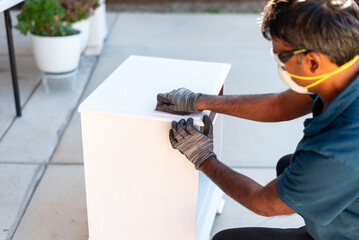
How Much Does Cabinet Refinishing Cost? A Complete Guide for Homeowners

Cabinet Refinishing

A kitchen makeover does not always require tearing out cabinets, replacing countertops, and investing in a full renovation. In many cases, the cabinets themselves remain structurally sound and functional but simply look outdated or worn from years of use. When homeowners want to refresh their space without committing to the expense of a complete cabinet replacement, cabinet refinishing is often an attractive solution.

One of the first questions people ask before starting a refinishing project is how much it will cost. The answer depends on several factors, including the size of the project, the condition of the cabinets, the type of finish selected, and the amount of preparation required. Understanding these factors can help homeowners plan their budget and determine whether San Jose Cabinet Refinishing is the right investment for their home.

What Is Cabinet Refinishing?

Cabinet refinishing is the process of restoring and updating existing cabinets by improving their exterior appearance while preserving the original cabinet structure. Rather than replacing the cabinets entirely, refinishing focuses on enhancing surfaces through cleaning, sanding, repairing, staining, painting, and sealing.

The process can dramatically transform the appearance of a kitchen, bathroom, laundry room, or other space that contains cabinetry. Homeowners often choose refinishing because it allows them to modernize the look of their cabinets while avoiding the higher costs associated with full replacement.

Cabinet refinishing is particularly effective when the cabinet boxes remain structurally sound and functional. Instead of discarding quality cabinetry, refinishing extends its lifespan and provides a fresh new appearance.

Because the existing framework remains in place, refinishing typically requires fewer materials and less labor than a complete cabinet replacement project.

Average Cost of Cabinet Refinishing

The cost of cabinet refinishing can vary widely depending on the scope of work and the specific requirements of the project. In general, refinishing is significantly less expensive than replacing cabinets.

Smaller projects with a limited number of cabinet doors and drawers usually fall on the lower end of the cost range. Larger kitchens with extensive cabinetry naturally require more labor, materials, and preparation, resulting in higher overall expenses.

The exact cost will depend on factors such as cabinet size, finish selection, labor requirements, and the condition of the existing surfaces. Homeowners should remember that refinishing is a customized service, which means pricing can vary considerably from one project to another.

While it may be tempting to focus solely on the initial price, evaluating the long term value of refinishing is equally important. The ability to dramatically improve a kitchen’s appearance without replacing cabinets often provides substantial savings.

Factors That Affect Cabinet Refinishing Costs

Several key factors influence the total cost of cabinet refinishing. Understanding these variables helps homeowners better estimate project expenses and avoid surprises.

One of the most significant factors is the number of cabinets being refinished. More cabinet doors, drawer fronts, and exposed surfaces require additional preparation and finishing work.

The complexity of the cabinet design also affects pricing. Cabinets with decorative molding, raised panels, intricate details, or custom features typically require more labor than simple flat panel designs.

The current condition of the cabinets is another important consideration. Cabinets that require extensive repairs, filling, sanding, or restoration generally cost more to refinish than cabinets in relatively good condition.

The type of finish selected can also impact overall expenses. Certain stains, paints, and specialty finishes require additional materials or application techniques that increase project costs.

Accessibility and project logistics may also influence pricing. Kitchens with challenging layouts or unique design features may require extra time and effort during the refinishing process.

Preparation Work and Its Impact on Cost

Preparation is one of the most labor intensive stages of cabinet refinishing and plays a major role in determining overall cost. Proper preparation ensures that the new finish adheres correctly and delivers long lasting results.

The process typically begins with removing cabinet doors, drawer fronts, hardware, and accessories. Surfaces must then be thoroughly cleaned to eliminate grease, dirt, and residue that can interfere with finish adhesion.

Sanding is often required to create a smooth and properly prepared surface. Depending on the condition of the cabinets, multiple sanding stages may be necessary to remove old finishes and correct imperfections.

Repairs may also be needed before refinishing can begin. Filling scratches, repairing dents, addressing minor water damage, and correcting other cosmetic issues all contribute to preparation costs.

Although preparation increases labor requirements, it is essential for achieving professional quality results that stand the test of time.

Painted Cabinets Versus Stained Cabinets

The type of finish chosen for a refinishing project can significantly affect cost. Painted and stained cabinets each require different materials, techniques, and labor considerations.

Painted cabinets have become increasingly popular because they offer a clean, modern appearance. Achieving a smooth painted finish often requires extensive preparation, priming, and multiple coats of paint. Additional drying time between coats may also contribute to labor costs.

Stained cabinets showcase the natural beauty of wood grain while providing protection against everyday wear. The staining process generally involves surface preparation, stain application, and protective topcoats.

The complexity of the desired finish can further influence pricing. Specialty colors, custom finishes, glazing techniques, and decorative effects may require additional labor and expertise.

Homeowners should consider both aesthetic preferences and budget goals when selecting between painted and stained finishes.

Cabinet Condition and Repair Costs

Not all cabinets are equally suitable for refinishing. The condition of the existing cabinetry has a direct impact on project costs because damaged surfaces often require additional restoration work.

Minor cosmetic issues such as scratches, fading, and small dents can usually be addressed without significantly increasing costs. However, more extensive damage may require additional labor and materials.

Water damage is one of the most common issues that can affect cabinet refinishing expenses. Swollen wood, delamination, and weakened surfaces may need repair before refinishing can proceed.

Loose hinges, damaged drawer fronts, worn edges, and other functional problems can also contribute to overall costs. Addressing these concerns during the refinishing process helps ensure better long term performance.

A thorough evaluation of cabinet condition allows homeowners to understand potential repair requirements before work begins.

Labor Costs in Cabinet Refinishing

Labor typically represents a significant portion of cabinet refinishing expenses. Refinishing is a detail oriented process that requires skill, precision, and attention to detail.

Professional refinishing involves numerous steps, including cleaning, sanding, repairing, priming, painting or staining, sealing, and reassembly. Each stage requires time and expertise to achieve consistent, high quality results.

Labor costs may vary based on project complexity, cabinet design, and the amount of preparation required. Intricate cabinet styles generally demand more time and effort than simple designs.

While some homeowners may consider attempting refinishing themselves, professional refinishing often provides superior durability, appearance, and overall value. Proper equipment, materials, and experience contribute significantly to the final result.

Investing in quality workmanship can help maximize the lifespan and visual appeal of refinished cabinets.

Comparing Refinishing Costs to Cabinet Replacement

One of the main reasons homeowners choose refinishing is the potential cost savings compared to cabinet replacement. New cabinets often represent one of the largest expenses in a kitchen renovation.

Replacement projects involve demolition, disposal of old cabinets, purchase of new cabinetry, installation labor, and potential modifications to countertops, plumbing, and electrical systems.

Refinishing eliminates many of these expenses because the existing cabinet structure remains intact. By preserving cabinet boxes and focusing on surface improvements, homeowners can achieve a dramatically updated appearance at a fraction of the cost.

For kitchens with structurally sound cabinets, refinishing often delivers excellent value. The visual transformation can be substantial while requiring a much smaller financial investment.

Understanding the cost difference between these options helps homeowners make informed renovation decisions.

Ways to Maximize Value From Cabinet Refinishing

Homeowners can take several steps to maximize the value of their cabinet refinishing investment. Choosing durable materials and finishes helps ensure long lasting results that maintain their appearance over time.

Addressing repairs during the refinishing process can prevent future problems and improve overall cabinet performance. Upgrading hardware such as knobs, pulls, and hinges may also enhance the final appearance without significantly increasing costs.

Selecting timeless colors and finishes can help extend the appeal of refinished cabinets and reduce the likelihood of future updates.

Proper maintenance after refinishing is equally important. Regular cleaning and careful use help preserve the finish and protect the investment for years to come.

When approached thoughtfully, cabinet refinishing can provide a cost effective way to refresh an entire room while maximizing both functionality and visual appeal.

Is Cabinet Refinishing Worth the Cost?

For many homeowners, cabinet refinishing represents an excellent balance between affordability and transformation. The process can dramatically improve the appearance of outdated cabinetry without the substantial expense and disruption associated with replacement.

Refinishing is particularly worthwhile when cabinets remain structurally sound and the existing layout continues to meet the household’s needs. In these situations, refinishing allows homeowners to achieve a fresh new look while preserving quality cabinetry.

The combination of lower costs, shorter project timelines, and impressive visual results makes refinishing an attractive option for many renovation projects. While every situation is unique, refinishing often delivers significant value when compared to alternative remodeling approaches.

Final Thoughts

So, how much does cabinet refinishing cost? The answer depends on several factors, including cabinet size, condition, design complexity, preparation requirements, and finish selection. While costs vary from project to project, refinishing is generally far more affordable than replacing cabinets entirely. For homeowners looking to modernize their kitchen or bathroom while maintaining a reasonable budget, cabinet refinishing offers a practical and effective solution. By understanding the factors that influence pricing and focusing on quality workmanship, homeowners can make informed decisions and enjoy beautiful, refreshed cabinets that enhance their space for many years to come.